
Thriving as a Human in the Age of the AI Revolution


We are hearing a lot about Artificial Intelligence these days. Some say it will replace humans. Others say it will make life easier. Between the excitement and the fear, one question quietly sits in the middle of the conversation: How do humans thrive in the age of AI?
The truth is, every major technological revolution in history has raised similar questions. When the internet emerged, people feared it would eliminate jobs. When automation entered factories, many thought human work would disappear. Yet, history shows something different: technology changes the nature of work, but human potential finds new ways to grow.
AI is no different. In fact, it may highlight the importance of being human more than ever before.

1. Human Creativity Will Become More Valuable
Artificial Intelligence can process enormous amounts of data, recognize patterns, and even generate text, music, or images. But true creativity still belongs to humans.
AI can assist creativity, but it rarely originates completely new cultural ideas or emotional expressions the way humans do. Writers, artists, filmmakers, designers, and entrepreneurs can now use AI as a collaborator rather than seeing it as competition.
In many ways, AI will act like a powerful assistant, helping humans produce ideas faster, test concepts quicker, and explore new creative possibilities.
The future may not belong to those who compete with AI, but to those who learn to create with it.
2. Emotional Intelligence Will Matter More
AI can analyze data, but it cannot genuinely understand human emotions, relationships, or empathy. Fields that depend on human interaction, such as leadership, teaching, counseling, healthcare, negotiation, and community building, will remain deeply human-centered. In business and workplaces, emotional intelligence may become one of the most valuable skills. Understanding people, resolving conflicts, motivating teams, and building trust are areas where humans continue to excel. Technology may optimize systems, but humans connect with humans.

3. Learning Will Become a Lifelong Habit
The AI revolution is moving fast. New tools, platforms, and technologies are appearing almost every month. This means one thing clearly: continuous learning is no longer optional.
The good news is that AI is also making learning easier. Today, people can access knowledge instantly, explore new subjects quickly, and even get personalized learning support from AI-powered platforms. The individuals who thrive will not necessarily be those who know everything today, but those who remain curious and adaptable.

4. Humans Will Focus More on Meaningful Work
As AI automates repetitive tasks, data entry, routine analysis, and basic customer service, humans will gradually move toward work that involves judgment, ethics, creativity, and strategy. Instead of spending hours on mechanical tasks, professionals may focus more on decision-making, innovation, storytelling, relationship building, and leadership.
In a way, AI may help humans spend more time doing work that feels meaningful and purposeful.
5. Collaboration Between Humans and AI Will Define the Future
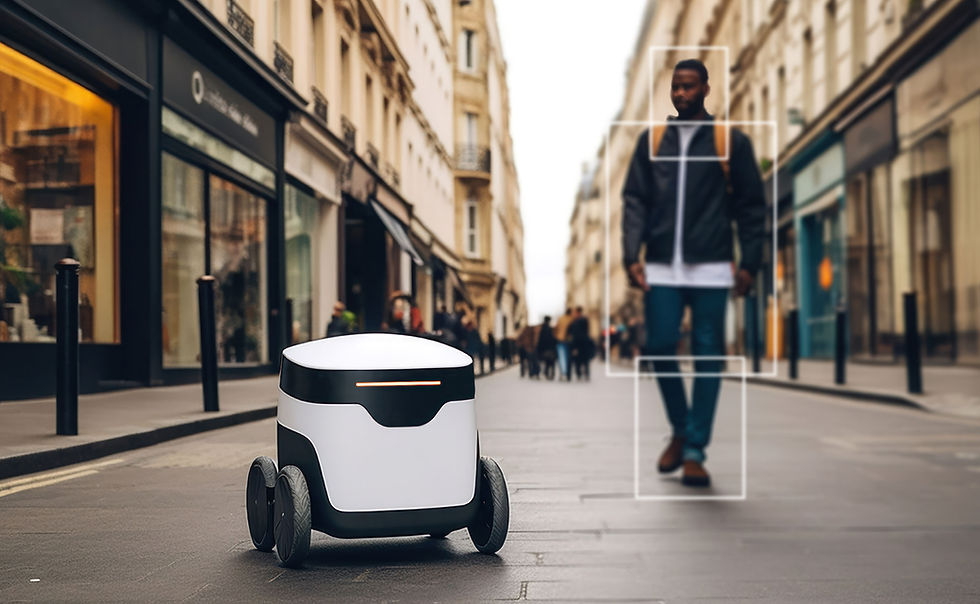
The most successful organizations and individuals will not treat AI as a replacement for humans. Instead, they will see it as a powerful tool for collaboration. Doctors can use AI to analyze medical scans faster. Scientists can use AI to accelerate research. Businesses can use AI to understand customers better. Creators can use AI to explore new forms of storytelling. The real advantage will come from combining human insight with machine intelligence.
Conclusion
The AI revolution is not just a technological shift; it is a cultural and human one. It challenges us to rethink what makes humans unique. Machines may become faster, smarter, and more capable at certain tasks. But curiosity, empathy, imagination, ethics, and creativity remain deeply human traits. Thriving in the AI age will not be about competing with machines. It will be about embracing our humanity while learning to work alongside intelligent tools.
In the end, the future may belong not to AI alone, and not to humans alone, but to humans who know how to use AI wisely.


